Bladder, kidney and prostate cancers | NT.GOV.AU
Symptoms, diagnosis and treatment for bladder, kidney and prostate cancers.


Kidneys are bean-shaped organs about the size of your fist. Most people have 2 kidneys.
They act like a special filter system for your body.
Your kidneys are in the middle of your back, one on each side of your spine.
They are protected by:
The kidneys are part of the urinary system.
The kidneys play a key role in the urinary system. Other parts of this system include:
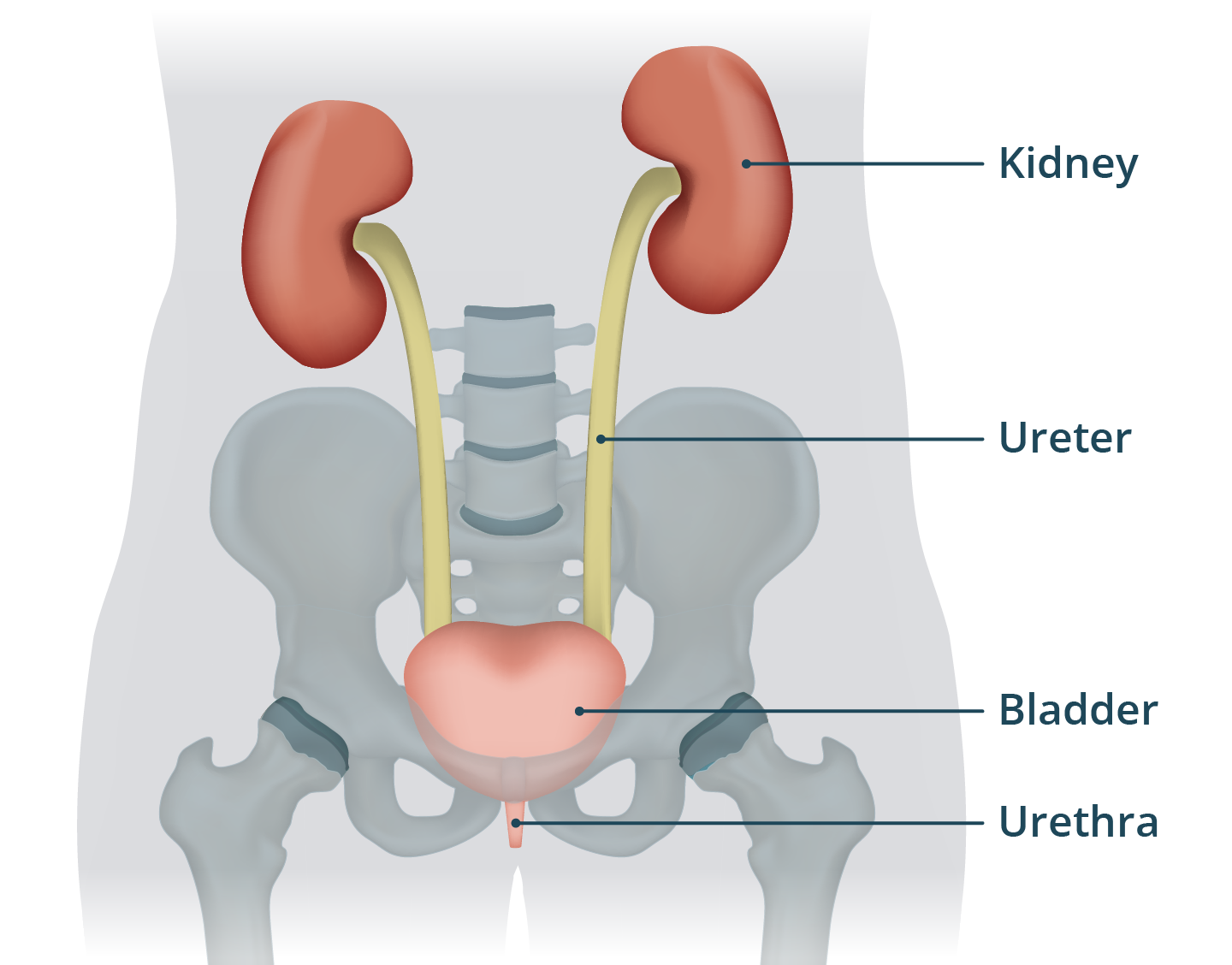
Diagram of the urinary system.
Your kidneys are important for keeping your body healthy. They work continuously to clean your blood and remove waste.
Here’s what they do:
Your kidneys also produce hormones that help:
Kidneys are made up of basic working units called nephrons. Each kidney has about a million nephrons. Each nephron has 2 main parts:
Blood comes into your kidneys through blood vessels (tubes) called renal arteries. Once inside, the blood goes through tiny filters called nephrons. These filters clean the blood by getting rid of waste.
Inside each nephron is a structure called the glomerulus, which filters the blood. The clean blood leaves the kidneys through the renal vein. Waste and extra water stay behind.
The waste and extra water become urine. This flows into small tubes called tubules. The urine moves to larger tubes called ureters.
The ureters carry urine from the kidneys to the bladder where it's stored. When you need to urinate (wee), the urine leaves the bladder through a tube called the urethra and exits your body.
There are many medical conditions related to the kidneys, such as:
Some people are born with just one kidney. One kidney can work well enough for most people most of the time. If you know you only have one kidney, ask your doctor to advise you on the best way to protect it, so you can continue to live well.
Chronic kidney disease is when your kidneys' ability to work is affected for more than 3 months. Chronic kidney disease often doesn’t show symptoms until it’s quite severe.
You may not notice symptoms until kidney function is severely reduced.
Diagnosing chronic kidney disease early is important. It means you can make lifestyle and medicine changes to help slow the progression of the disease.
Chronic kidney disease can lead to kidney failure. People with kidney failure may need dialysis or a kidney transplant.
Chronic kidney disease can often be prevented or slowed down by managing risk factors.
These are things you may be able to improve with support from your doctor:
These are things you cannot change, but it’s still important to be aware of them:
Aboriginal and/or Torres Strait Islander peoples have a higher risk of chronic kidney disease.
If you have any risk factors for kidney disease, ask your doctor about kidney health checks — they may recommend them every 1 to 2 years. Your doctor might order blood and urine tests to check your kidney function.
It’s important to keep your kidneys healthy so that they can function well.
Things you can do to keep your kidneys healthy include:
Visit Kidney Health Australia (Opens in new tab) for more information on kidney health for you or your child.
Kidney Health Australia has translated information on the risks of kidney disease and how to manage your kidney disease (Opens in new tab).
Kidney Health Australia (Opens in new tab) has a helpful factsheet about keeping your kidneys healthy for Aboriginal and/or Torres Strait Islander peoples.
Find out how we develop and review our content.
Last reviewed: May 2026


Worried about your health?
Select a symptom, answer some questions, get advice


