Nervous system | Better Health Channel
The nervous system helps all the parts of the body to communicate with each other.


The nervous system is made up of the brain, spinal cord and nerves.
It controls many aspects of what you think, how you feel and what your body does. It allows you to do things such as walk, speak, swallow, breathe and learn. It also controls how the body reacts in stressful situations. The nervous system interprets and responds to information gathered through the senses.
The main function of the nervous system is to be the body's communication network. Its main job is to send and receive messages between you and the outside world, and within your own body.
The nervous system is responsible for:
The nervous system is made up of:
The brain is made up of different parts. These include the:
The brain's cerebral cortex is the outermost layer of the brain that gives the brain its wrinkly appearance. The cerebral cortex is divided in half lengthways into two sides or hemispheres, the left hemisphere, and the right hemisphere. Each hemisphere specialises in different functions, but they share information and work together seamlessly.
Each brain hemisphere (parts of the cerebrum) has 4 different sections called lobes. These lobes are the frontal, parietal, temporal and occipital lobes. Each lobe carries out different brain functions.
Learn more about the structure of the central nervous system and how it works.
The basic building blocks of the nervous system are the nerve cells, or neurons. The human brain has around 100 billion neurons. These cells are responsible for carrying messages to and from different parts of the body.
Neurons have a cell body which contain the cell's nucleus as well as special extension called dendrites and axons.
The synapse is the gap between the end of one neuron's axon and the tip of next neuron's dendrites. Messages travel from one neuron to the next across synapses.
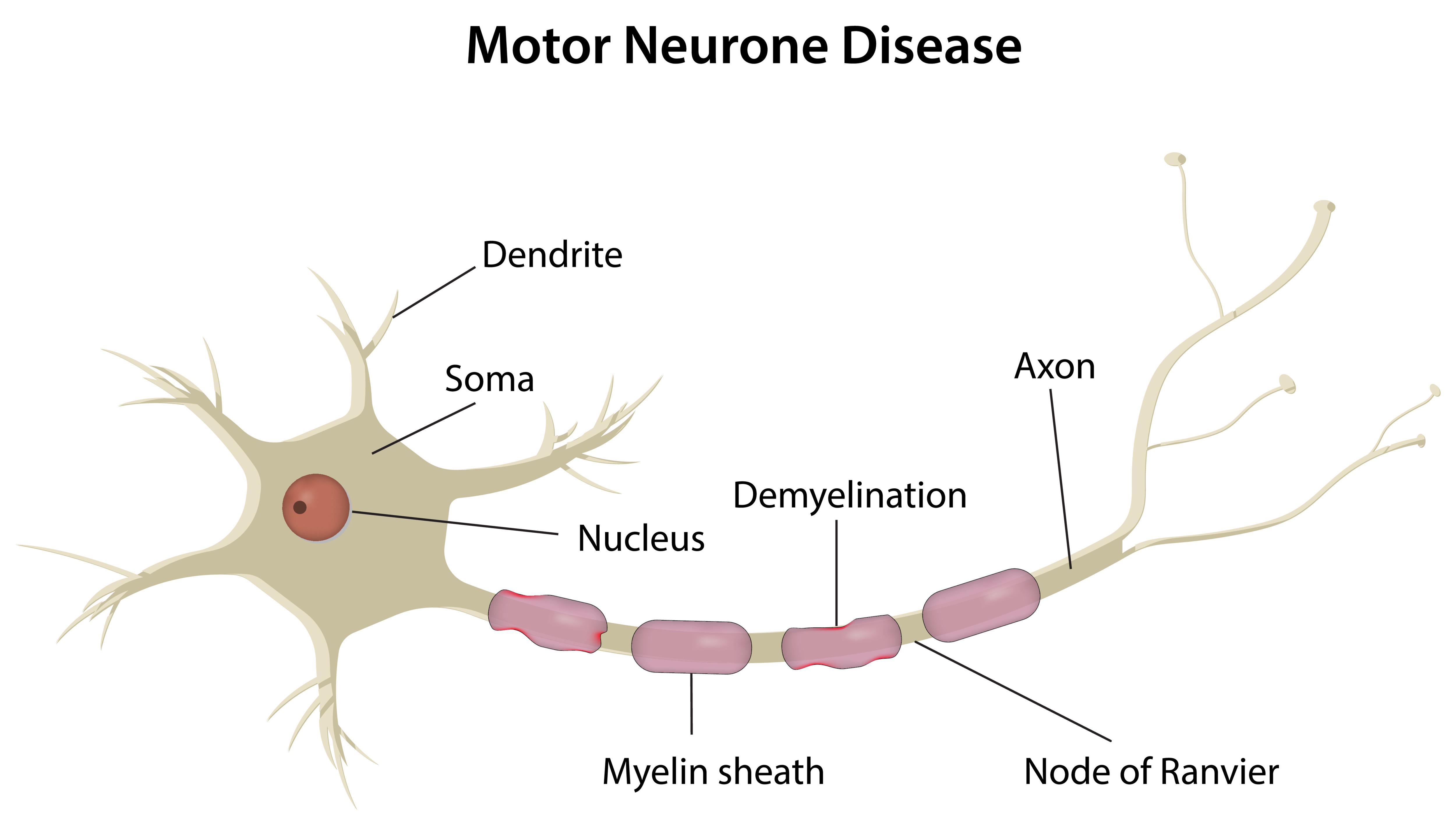
The brain is in constant communication with all parts of the body, sending instructions and receiving input from the senses.
Outgoing messages from the brain are sent along motor pathways, which carry messages from the brain to the muscles to tell them to move. The neurons that make up these motor pathways are called motor neurons.
Incoming messages from the body to the brain are sent along sensory pathways. The sensory pathways detect things such as light and sound and carry information about these to the brain. The neurons that make up these sensory pathways are called sensory neurons.
The spinal cord carries motor and sensory signals between the brain and nerves. The spinal cord also contains separate circuits for many reflexes.
One part of the nervous system, called the autonomic nervous system, controls a lot of the body processes that function automatically, for example, breathing, sweating or shivering.
There are 2 parts to the autonomic nervous system:
These parts work together to manage how the body responds to your changing environment and needs. For example, your pupils change size to allow the right amount of light into your eyes to allow effective vision.
There are thousands of conditions that start in or affect the central nervous system, including:
There are many different symptoms that could suggest a problem with the nervous system. They include:
Other symptoms that might suggest a problem with the central nervous system include:
There are also many diseases that affect the peripheral nervous system. The peripheral nerves include the nerves outside the brain and spinal cord such as nerves of the face, arms, legs and torso. Read more on diseases of the peripheral nervous system.
It is important to seek medical help if you have symptoms that do not go away on their own.
Synapse has a lot of information about the anatomy and function of the nervous system
Read more on Motor Neuron Disease (MND) (Opens in new tab), including causes, symptoms and treatment options.
Learn about peripheral neuropathy (Opens in new tab), including types, treatment, prognosis and where to get support. Peripheral neuropathy can also be a side effect of cancer treatment (Opens in new tab) – read more on the cancer Council website.
Call healthdirect on 1800 022 222 at any time to speak to a registered nurse (known as NURSE-ON-CALL in Victoria) for more information and advice.
Find out how we develop and review our content.
Last reviewed: October 2023


Worried about your health?
Select a symptom, answer some questions, get advice


